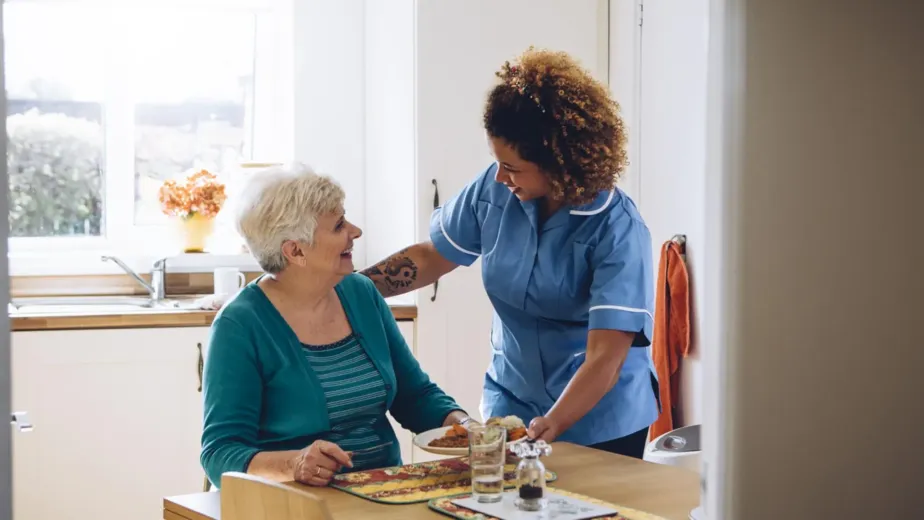

Continuity of care is vital for safe healthcare, and understanding why permanent nurses support better continuity shows just how important long-term staffing really is. When patients see familiar faces day after day, trust naturally develops, making them feel more comfortable and secure. Care becomes more predictable, communication flows more smoothly, and risks are less likely to arise. In care homes and clinical settings alike, having familiar, stable nursing staff helps create routines that people can rely on.
Continuity of Care Begins With Familiarity
Permanent nurses develop a deep understanding of the people they care for. They notice subtle changes in behaviour, mood, and physical health because they see the same individuals regularly. It is difficult to maintain awareness when staff frequently rotate. Over time, nurses learn personal preferences, communication styles, and triggers that are not always written in care plans.
Key benefits include:
- Early detection of changes in health and behaviour
- Clearer communication between staff and patients
- Smoother handovers that prevent error
When teams are stable, consistent nursing teams help ensure information is shared clearly and passed on accurately during handovers. This reduces misunderstandings and allows care to flow smoothly from one shift to the next.
Trust Supports Safer Care Quality
Patients are more likely to express concerns when they feel comfortable with the person supporting them. Permanent nurses create a sense of safety that encourages honest communication. This is particularly important in care homes, where residents may feel anxious or vulnerable.
Trust enables nurses to act early, stopping minor issues from turning into serious problems. Research and practical experience show that trust plays a crucial role in shaping patient outcomes in care homes, particularly for residents with long-term or cognitive conditions.
Better Knowledge Leads to Better Decisions
Clinical judgment improves with familiarity. Permanent nurses understand a patient’s baseline health and can recognise when something is not quite right. This enables faster, more accurate decision-making. Temporary staff often depend on written notes, which may not provide a complete picture.
With long-term nurse staffing, clinical knowledge is built gradually and retained within the service. This continuity reduces errors, supports safer medication management, and improves response times during emergencies.
Stability Strengthens Teamwork in Care Homes

Healthcare is never delivered by one person alone. It depends on collaboration between nurses, carers, managers, and external professionals. Permanent nurses form strong working relationships with colleagues, leading to smoother coordination. They know who to contact, how systems work, and what procedures need to be followed.
Over time, this shared understanding improves efficiency and morale. Teams with stable membership are better equipped to manage pressure, adapt to change, and support one another during challenging periods.
Reduced Disruption Improves Focus
Frequent staff changes can disrupt routines and create uncertainty for patients. Permanent nurses offer stability that helps keep daily routines on track, a crucial factor in residential care settings. Stable staffing reduces the need for repeated orientation and supervision, allowing more time to focus on care delivery.
How this helps services:
- Minimises repeated training and orientation.
- Allows nurses to spend more time with patients.
- Reduces disruptions to daily routines.
Over time, reduced reliance on agency staff helps preserve continuity and minimises the risk of inconsistent care standards.
Long-Term Planning Supports Quality
The continuity of care in healthcare settings is closely linked to strategic staffing decisions. Services that invest in permanent nurses are better positioned to plan. With effective workforce planning, care providers can align staffing levels with resident needs, anticipate skill gaps, and support professional development.
This proactive approach strengthens resilience and eases last-minute staffing pressures, helping to protect the quality of care.
Accountability Improves Standards
Permanent nurses take an active role in the outcomes of their work. They observe the long-term effects of their care decisions and accept greater responsibility for maintaining high standards. This accountability drives them to follow policies, safeguard practices, and meet regulatory requirements.
It also promotes reflective practice, helping nurses learn from their experiences and consistently improve the quality of care they deliver.
Choosing the Right Staffing Approach
For care providers, investing in permanent nurses is not just a staffing decision but a quality decision. Working with a permanent staffing company that understands the needs of care homes can support sustainable recruitment and retention.
While a staffing agency can help during short-term shortages, long-term continuity is best achieved through stable employment models that prioritise consistency and professional growth.
Ensuring Reliable, Consistent Care
Permanent nurses form the foundation of reliable, person-centred care. Their presence supports trust, safety, and clinical excellence over time. By valuing continuity and investing in stable nursing teams, care providers create environments where patients feel secure, and staff feel supported. In the long run, this approach benefits everyone involved, from residents and families to healthcare professionals and organisations striving to deliver safe, high-quality care every day. As a trusted health staffing agency, Ambitious Healthcare supplies skilled permanent nurses who ensure continuity, quality, and reliable support for every setting.