
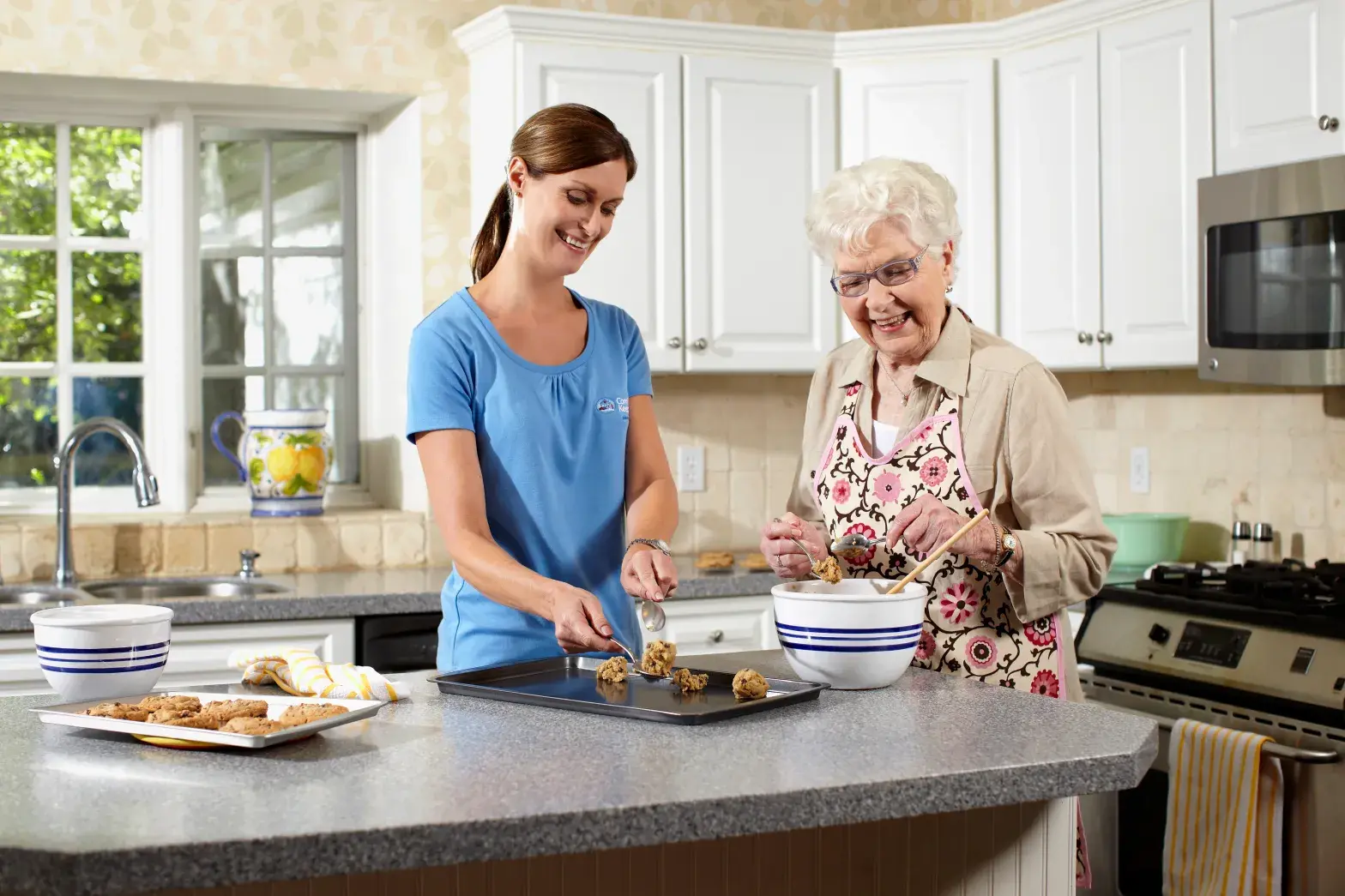
Running a busy care facility depends on reliable food service, and agency kitchen assistants often help keep daily kitchen routines running smoothly. Care homes, hospitals, and residential centres must serve meals on time while adhering to strict hygiene and dietary standards. When regular staff are away or the workload increases, temporary assistants help keep everything on track. They support meal preparation, cleaning, and basic kitchen tasks so nothing falls behind. Their support enables kitchens to continue operating without stress, ensuring residents receive their meals safely, on time, and according to their care needs, even during complex or unexpected situations.
Understanding the Structure of Care Kitchens
Food preparation in care environments is different from that in typical restaurants or catering businesses. Meals must follow strict nutrition plans, dietary restrictions, and health regulations. Residents may require soft diets, allergen-controlled meals, or special nutrition plans designed by healthcare professionals. Because of this, care kitchens within healthcare facilities often operate on a structured schedule, where preparation, service, and cleaning must occur in a precise order. Delays can affect medication schedules, resident comfort, and overall care routines.
Kitchen assistants provide support that allows chefs and cooks to focus on preparing safe and balanced meals. They help with tasks such as ingredient preparation, dishwashing, equipment cleaning, and organising supplies. These duties may appear simple, but they are essential for maintaining hygiene and efficiency.
The Role of Agency Kitchen Assistants in Daily Operations
Temporary kitchen assistants often step into facilities during staff shortages, seasonal demand, or unexpected absences. Their flexibility allows care homes to maintain food services without disrupting resident routines.
These workers usually handle basic yet important tasks, including:
- Washing dishes and kitchen utensils
- Preparing vegetables and simple ingredients
- Cleaning workstations and kitchen equipment
- Storing food supplies safely
- Assisting cooks during meal preparation
Their work supports chefs who are responsible for planning and cooking meals that meet dietary guidelines. Within the daily workflow, the phrase catering support roles, describes assistants who maintain preparation and cleaning tasks, often applying to these workers. By completing these duties efficiently, assistants reduce pressure on permanent staff and help kitchens operate smoothly.
Adjusting Quickly Through Temporary Staff Onboarding
When new assistants arrive at a facility, they must quickly learn the procedures. Every kitchen has its own routines, safety standards, and equipment layout. A structured introduction helps new staff understand these processes. Many facilities rely on clear instructions and short training sessions to help assistants adapt quickly. In this process, the concept of temporary staff onboarding becomes important, as it helps new workers understand expectations and kitchen procedures.
Simple steps, such as reviewing cleaning protocols, outlining meal service schedules, and introducing staff to supervisors, can help new assistants adapt quickly and work effectively. When assistants understand their responsibilities from the start, they can contribute effectively from their first shift.
Communication Within the Kitchen Team
Food service in healthcare settings requires constant coordination between cooks, assistants, and care staff. If information about meal timing or dietary changes is not shared properly, it can lead to mistakes. Clear instructions, regular updates, and respectful interaction help avoid confusion. Effective kitchen communication ensures chefs and assistants clearly understand their tasks and meal schedules, which keeps operations running smoothly and accurately.
For example, assistants may need to know when food trays must be ready for service or which utensils should be used for allergen-free preparation. When communication flows smoothly, tasks are completed faster and with fewer errors.
Working Together With Permanent Staff

Temporary assistants often join teams that already have established routines and relationships. For this reason, cooperation and flexibility are essential. Permanent staff usually guide temporary workers through the workflow. Assistants observe how the team operates and adjust their pace and methods accordingly. Respect for existing routines helps maintain consistency in meal service.
Within this process, teamwork integration, which allows temporary and permanent workers to coordinate tasks efficiently, helps kitchens maintain productivity. When assistants blend smoothly into the team, staff can focus on delivering safe and timely meals to residents.
Career Opportunities for Kitchen Assistants
Many people begin their careers in food service through temporary positions. These roles offer practical experience and exposure to professional kitchen environments. For those looking for entry-level positions, London kitchen assistant jobs, available in both hospitality and healthcare facilities, reflect the steady demand for kitchen support staff. Care homes and hospitals regularly seek assistants who can help maintain food service standards.
Working in healthcare kitchens can also provide valuable experience. Workers often gain skills such as:
- Understanding hygiene and food safety rules
- Preparing meals according to dietary requirements
- Working in fast-paced kitchen environments
- Supporting large-scale meal preparation
These skills can lead to long-term roles in catering, hospitality, or healthcare support services.
How Staffing Agencies Support Care Facilities
Recruitment agencies play a key role in connecting trained assistants with care facilities that need short-term support. They maintain pools of workers who are ready to work at short notice. These agencies often verify experience, basic training, and work eligibility before assigning staff to kitchens. Because of this preparation, facilities can feel confident about the assistants they receive.
Within the staffing industry, healthcare temp staffing agencies, which specialise in supplying support workers to medical environments, help maintain continuity in essential services. Their ability to quickly provide trained assistants ensures that kitchens continue operating smoothly, even when permanent staff are unavailable.
Maintaining Safety and Care Hygiene Standards
Food safety is essential in care kitchens, as many residents have weakened immune systems and are highly vulnerable to foodborne illnesses. It is important to maintain safety and hygiene standards in care sectors. Kitchen assistants play a key role by sanitising work surfaces, managing waste disposal, and ensuring dishes and utensils are cleaned and stored correctly. These practices help prevent contamination and safeguard residents’ health.
Assistants must also adhere to guidelines for wearing protective clothing, following handwashing procedures, and properly cleaning equipment. When these procedures are followed carefully, kitchens can maintain safe food preparation standards.
Reliable Support for Care Kitchens
Agency kitchen assistants are essential for ensuring that care home kitchens operate efficiently and without disruption. By supporting food preparation, cleaning, and daily kitchen tasks, they help permanent staff manage busy workloads and ensure residents receive meals on time. As care facilities continue to face staffing challenges, dependable support is essential. Ambitious Healthcare provides reliable kitchen assistants who are ready to step in and help care kitchens maintain consistent, high-quality service.